
VitalMan · Men's Natural Wellness
Energy & Endurance
Natural Supplements for Men
Energy and Endurance: Natural Support for Daily Physical Activity
Energy and endurance are products of how you eat, how you move, and how you rest. Natural capsules for strength and vitality can be part of that picture. This guide explains the ingredients commonly found in energy and endurance supplements, what they do, and how they fit into a daily routine.
Energy and endurance supplements sit on top of the fundamentals — they do not replace them. What they can do is provide nutrients that support normal bodily functions during training, especially when energy demands are higher due to regular exercise. The pages that follow break down what each ingredient is, what context it fits, and how to read the label so you know exactly what you are taking.
What You Will Find
- —How supplement-form energy differs from caloric energy
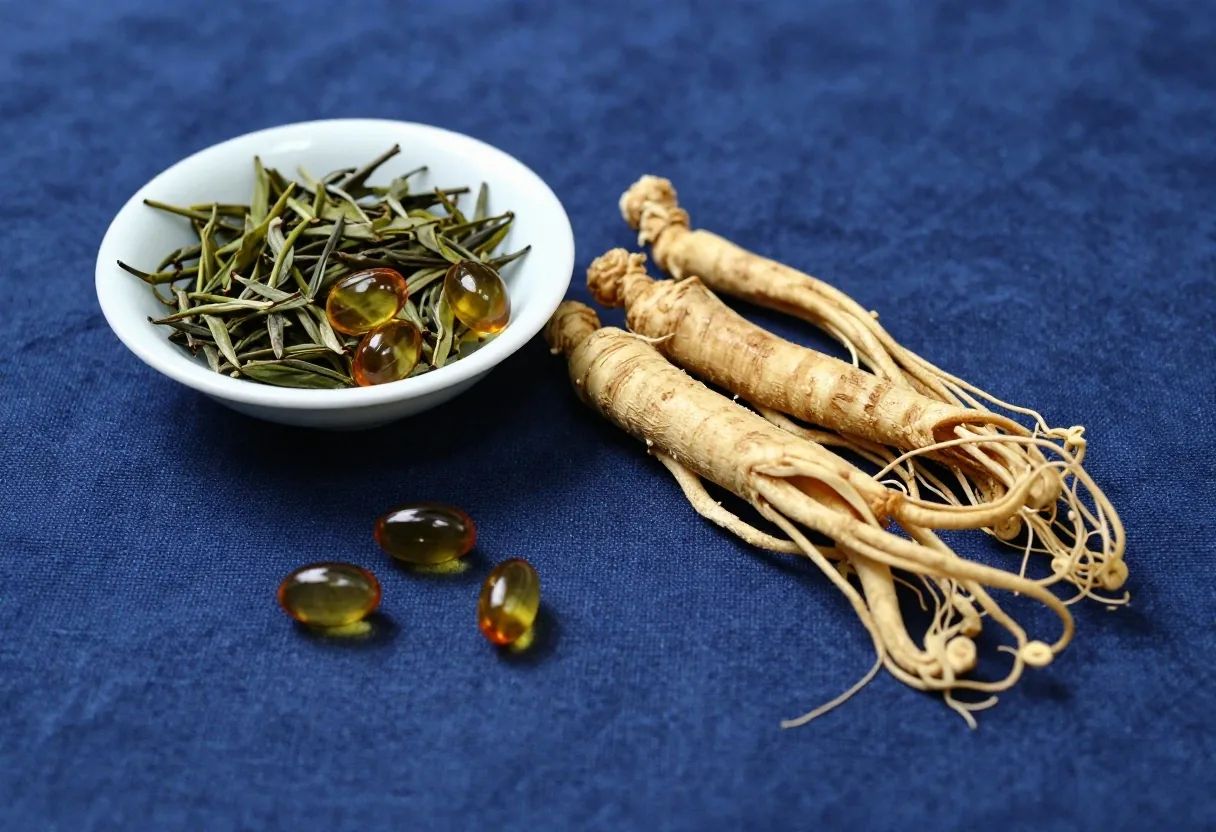
- —Common ingredients: B vitamins, ginseng, CoQ10, green tea
- —Why physical activity and rest still do the work
- —How to read labels with proprietary blends
Vitamin Supplements for Men
What Energy Means in a Supplement Context
In nutrition, energy refers to the calories the body gets from food and the process of converting them into fuel. In a supplement context, energy products usually contain ingredients that contribute to normal energy-yielding metabolism. B vitamins are the most common example. They do not provide energy themselves, but they help the body process the energy from food.
Caffeine is another common ingredient, derived from natural sources like tea or coffee extract. It has a stimulating effect that many men associate with feeling more alert. A supplement label will list these ingredients and their amounts, so you can see what you are taking and why.
The distinction matters because the word "energy" on a label does not mean the product contains calories. It means the ingredients play a role in how your body uses the calories you already get from food. Understanding that difference helps you set realistic expectations for what a supplement does and what it does not.
Energy & Endurance Supplements
Ingredients Commonly Found in Energy Supplements
B Vitamins
The most common energy-supplement ingredient group. B-complex vitamins contribute to normal energy-yielding metabolism — they help the body convert food into fuel rather than providing energy directly.
Ginseng Extract
A plant root used in traditional wellness practices in parts of Asia for centuries. Panax ginseng is the type most commonly found in men's supplements, often marketed for vitality.
Coenzyme Q10
A substance naturally present in the body, particularly in the heart. Plays a role in energy production within cells. Often sold in 50–200 mg per serving capsule form.
Green Tea Extract
Provides a natural source of caffeine and antioxidants. Frequently appears on energy supplement labels as both a stimulant and a source of plant compounds called catechins.
Caffeine
Derived from natural sources like tea or coffee extract. Has a stimulating effect that many men associate with alertness. Amounts are listed on the label so you can track intake.
Herbal Extracts
Energy and endurance supplements often include a mix of herbal compounds alongside vitamins. Each has a specific traditional context and typical use described in our ingredient guides.
Energy and endurance supplements often include a mix of B vitamins, herbal extracts, and other natural compounds. Each has a specific context. Ginseng has a long history of use in traditional wellness practices. Coenzyme Q10 is a substance naturally present in the body. Green tea extract provides a natural source of caffeine and antioxidants. Our guides describe each ingredient individually, explaining what it is and how it is typically used.
Men's Health Support Products
The Role of Physical Activity
No supplement can replace physical activity. Endurance is built through consistent, progressive training that challenges the cardiovascular system and the muscles. A man who runs, cycles, or swims regularly develops endurance over time. A man who lifts weights builds strength. Supplements do not do this work for you.
What they can do is provide nutrients that support normal bodily functions during training. For example, adequate B vitamin intake supports energy metabolism, which is relevant when energy demands are higher due to regular exercise. The same applies to CoQ10, which plays a role in cellular energy production and is naturally present in the body.
The relationship between supplements and training is additive. Food, movement, and rest come first. A capsule provides specific nutrients on top of that foundation — it does not replace the hours on the road, in the pool, or under the bar. If the training is inconsistent, the supplement has less to support.
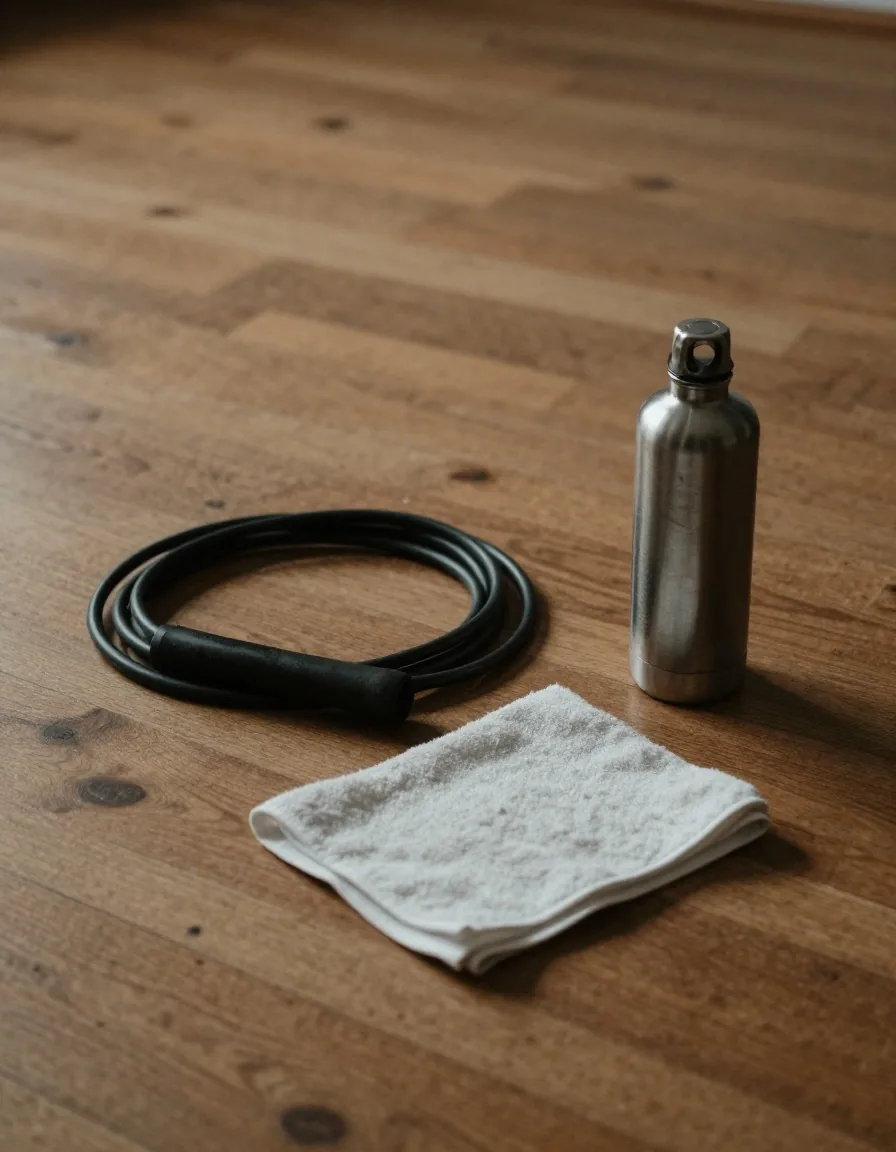
Endurance is built through consistent, progressive training — not replaced by any capsule.
Healthy Lifestyle Products
Rest and Recovery: The Other Side of Endurance
Endurance is not just about what you do; it is also about what you do between sessions. Rest and recovery are when the body adapts to the stress of training. Sleep is the most important factor. A man who sleeps poorly will struggle to perform physically, regardless of his supplement intake.
Nutrition also plays a role: protein intake supports muscle maintenance, and carbohydrate intake replenishes energy stores. Natural capsules for strength and vitality are not a substitute for these fundamentals. They sit on top of them.
Herbal wellness for men is composed, not manufactured.
The proof room arranges what is already there — roots, leaves, and the quiet hours of sleep that hold it all together.
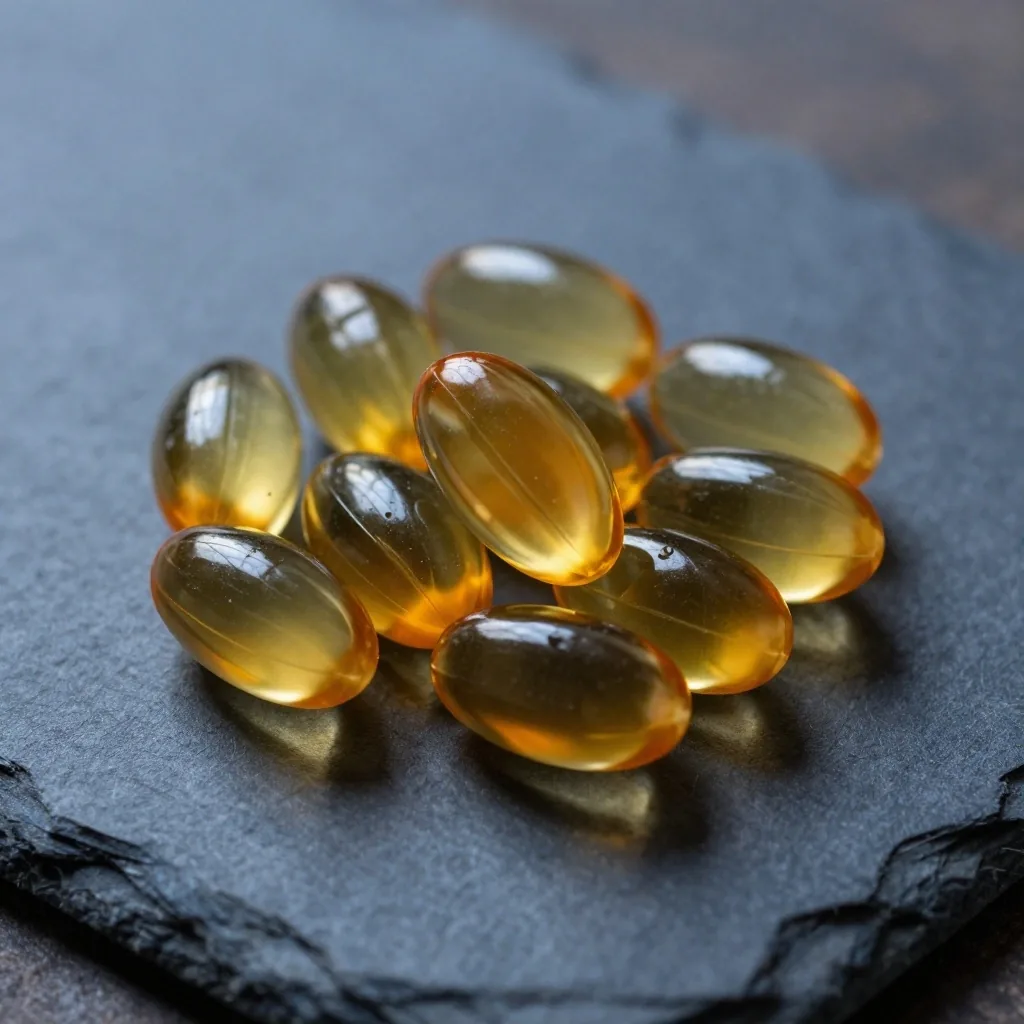
Natural Capsules for Strength and Vitality
Coenzyme Q10: What It Is and Where It Comes From
Coenzyme Q10, often listed as CoQ10 on supplement labels, is a compound that is naturally produced by the body and found in every cell. It plays a role in the production of energy within cells. It is also found in foods like meat, fish, and whole grains.
As a supplement, it is sold in capsule form, often in amounts ranging from 50 to 200 mg per serving. Men who are interested in CoQ10 often look at it in the context of aging and physical activity, as natural production tends to decrease with age.
We describe what it is and what context it fits in, without claiming it reverses aging or boosts athletic performance. The role it plays in cellular energy production is well documented in published literature; the decision to supplement is yours to make based on that context and your own routine.
Popular Products for Men
Ginseng Extract: Traditional Use and Modern Context
Ginseng is a plant root that has been used in traditional wellness practices in parts of Asia for centuries. There are different types of ginseng, with Panax ginseng being the most commonly found in men's supplements.
The label will usually specify the type and the amount of extract per serving. Ginseng is often marketed for energy and vitality. We describe its traditional context and its presence in modern supplements, and we leave it to you to decide if it is something you want to explore further.
The history of ginseng use is long and documented in traditional practice. Modern supplement labels translate that history into a standardized format — a named extract, a stated amount, and a serving size. Reading the label tells you what form of ginseng you are getting and how much, which is the starting point for comparing products.
Vitamins and Minerals for Men
How to Read an Energy Supplement Label
Energy supplement labels can be complex, especially when they include proprietary blends. A blend lists the total weight of the combined ingredients but does not reveal the amount of each individual component. This makes it hard to know how much of a specific ingredient you are getting.
We suggest looking for products that list the amount of each ingredient separately, so you can compare them to the amounts used in food or studied in published literature. The label also tells you the serving size, which is important: some products list impressive amounts per serving, but a serving is two or three capsules.
- 01Check the serving size first — it may be more than one capsule
- 02Look for individual amounts rather than a single blend figure
- 03Compare listed amounts to amounts used in food or published studies
- 04Note the form of each ingredient — extracts differ from raw powder
Energy & Endurance Supplements
Fitting Supplements Into a Daily Routine
Energy and endurance supplements are most useful when they fit into a consistent daily routine. Taking a B-complex with breakfast, or a CoQ10 capsule with lunch, are examples of how men incorporate these products into their day. The timing is not usually critical, but consistency is.
A supplement taken sporadically is less likely to be useful than one taken regularly as part of a routine. We provide practical context for how these products are typically used, so you can think about how they might fit into your own schedule.
Many men find that pairing supplement intake with an existing habit — a morning meal, an afternoon break — makes it easier to stay consistent. The label's serving size tells you how many capsules that means in practice. Read it first, then decide where in your day the routine fits.
A Typical Day
Morning
B-complex with breakfast. Consistent intake supports energy metabolism throughout the day.
Midday
CoQ10 capsule with lunch. Taken with food, as many fat-soluble compounds are absorbed better that way.
Evening
No stimulant-based supplements late in the day — rest comes first. Sleep is the most important recovery factor.

Natural Supplements for Men
Each ingredient has a traditional context, a modern label, and a place in a daily routine.
Continue Reading
Where to go next
Energy and endurance are one field in the proof room. Continue with vitamins and minerals, browse popular products, or read the healthy lifestyle guide for the full picture.
Browse
Popular Products for Men
See which natural capsules men choose for daily strength and vitality.
Read Guide
Vitamins and Minerals Guide
Understand what each vitamin and mineral does in a men's daily routine.
Read Guide
Healthy Lifestyle Guide
How food, movement, and rest fit together — the foundation supplements sit on.
Contact
Ask a Question
Reach out about products, ingredients, or anything you read on this page.